AI for Good

“Artificial intelligence could become one of our most powerful tools for improving health, education, food security, and our response to environmental challenges. But its impact will not depend on the technology alone. It will depend on the decisions we make about power, access, and accountability.”
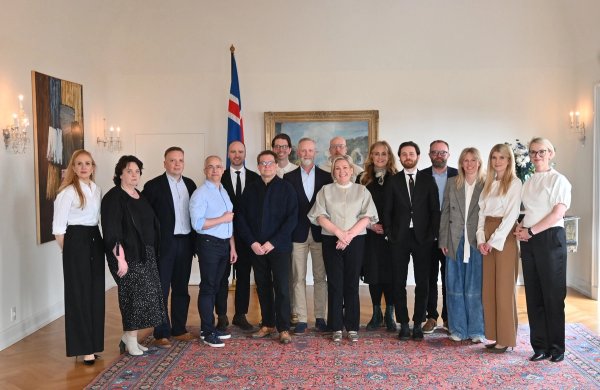
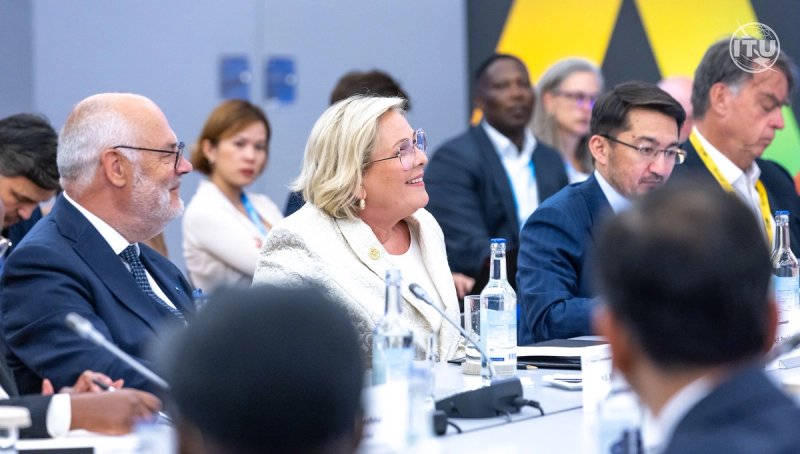
The President has strongly emphasized that the development of digital technology and artificial intelligence, as well as the operation of social media platforms, must serve the public—not the other way around. In the spring of 2026, she convened a discussion at Bessastaðir with experts from the technology sector and public administration to discuss the impact of AI on society and the opportunities and risks it entails. She subsequently attended international conferences on artificial intelligence organized in Geneva, Switzerland, by the United Nations (UN) and other parties.
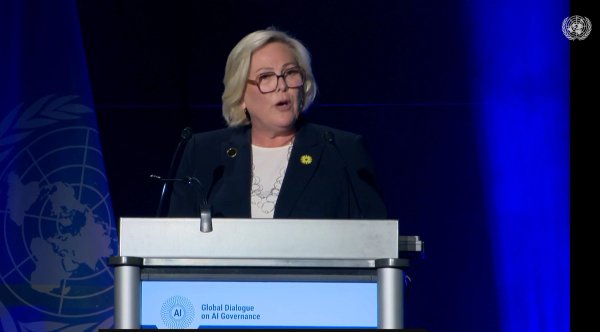
In an address at the AI for Good Global Summit in Geneva, the President emphasized that many stakeholders needed to work together to shape a framework for the technological advances transforming people’s lives and the development of societies. She added that it was vital for young people also to have a say in policymaking in this field. “No single country can govern this technology on its own. No single company can earn trust by itself. And one generation cannot be expected to bear responsibility for decisions it had no part in shaping.”
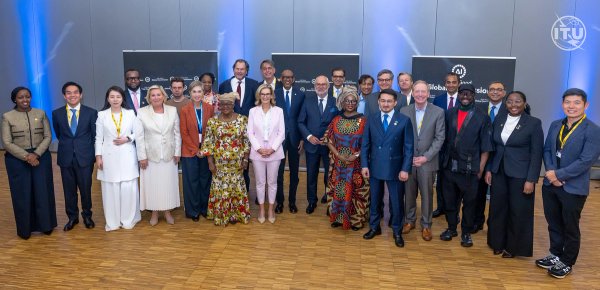
At the same time, she joined the UN’s AI for Good Global Commission. The group includes national leaders, ministers, politicians, and representatives from the private sector, international organizations, and civil society organizations. The commission’s mandate is to address technological, social, and economic issues related to AI and make policy recommendations in this area.